
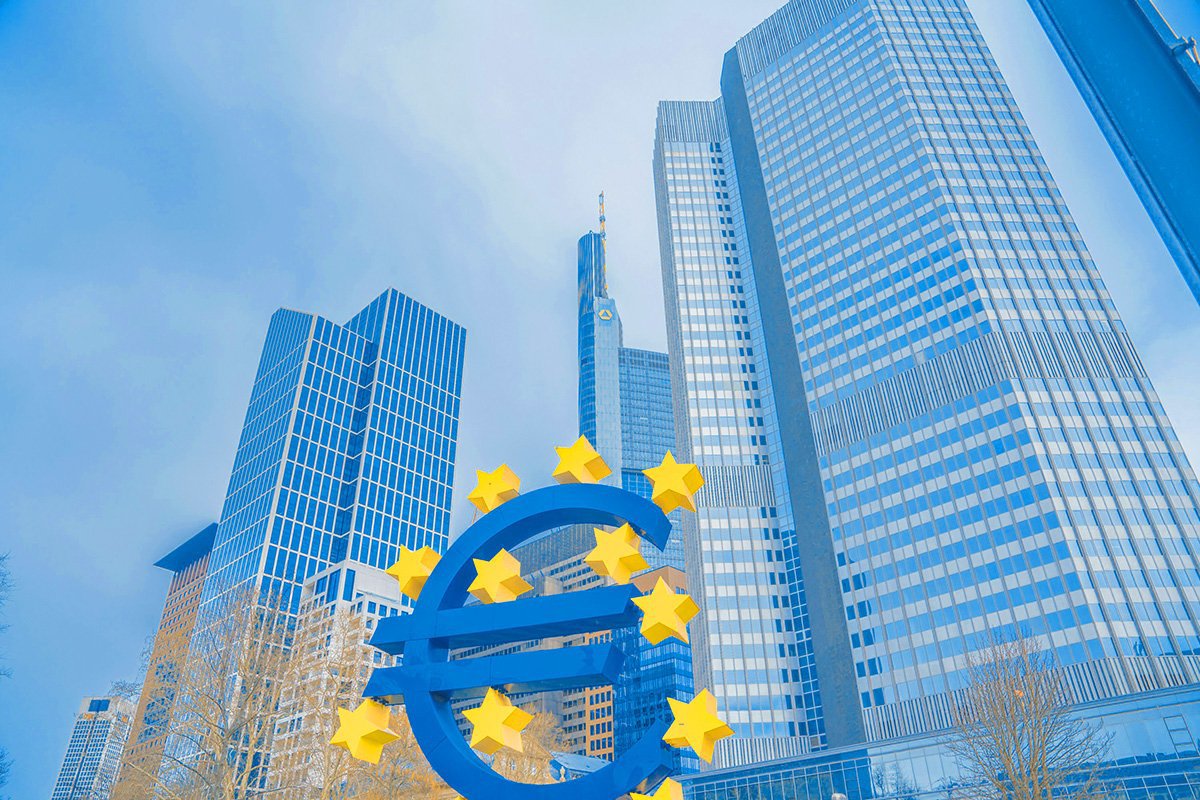
If you are getting ready for a trip to Europe, you have probably wondered at some point: can I just pay with euros everywhere? The short answer is: not quite. And that is exactly what catches a lot of travelers off guard on their first time through the continent.
Let's clear things up, without the financial jargon and without the endless lists of definitions.
So, who actually uses the euro?
The euro (abbreviated EUR) is the official currency of the eurozone, which is the group of EU member states that have adopted it as their national currency. Sounds straightforward, but the reality is a little more patchy than most people expect.
Here are the eurozone countries where you can pay without worrying about currency exchange:
- Austria
- Belgium
- Bulgaria (adopted the euro in January 2026)
- Croatia
- Cyprus
- Estonia
- Finland
- France
- Germany
- Greece
- Ireland
- Italy
- Latvia
- Lithuania
- Luxembourg
- Malta
- Netherlands
- Portugal
- Slovakia
- Slovenia
- Spain
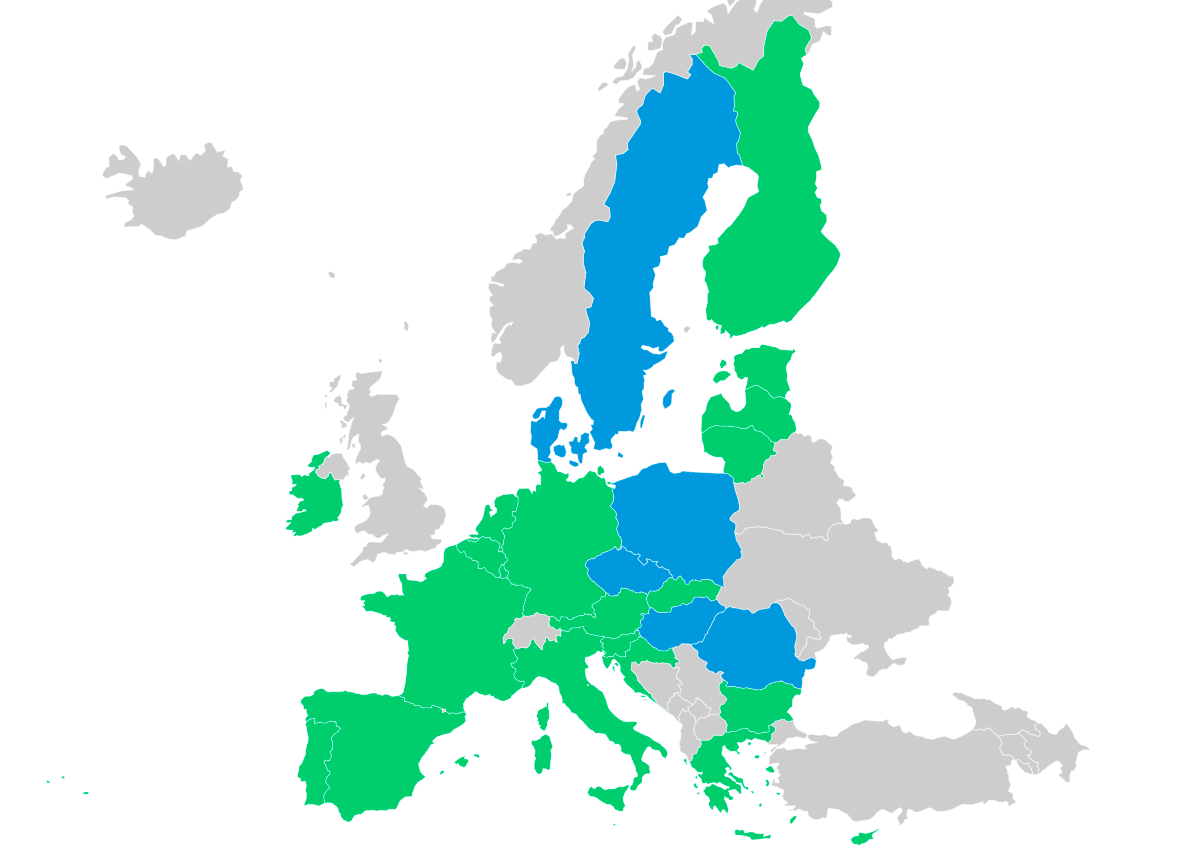
If you are doing a city break in Rome and then flying to Lisbon, you are all set. Same currency, same banknotes, zero hassle.
Heads up: not all of Europe means euro
This is the moment where many tourists get a reality check, sometimes right at a shop counter in Warsaw or Budapest.
EU countries that do NOT use the euro:
Czech Republic | Czech koruna (CZK)
Denmark | Danish krone (DKK)
Hungary | Hungarian forint (HUF)
Poland | Polish zloty (PLN)
Romania | Romanian leu (RON)
Sweden | Swedish krona (SEK)
Denmark | Danish krone (DKK)
Hungary | Hungarian forint (HUF)
Poland | Polish zloty (PLN)
Romania | Romanian leu (RON)
Sweden | Swedish krona (SEK)
So if you are doing a Central Europe tour (say, Paris to Krakow to Budapest to Vienna), you will pass through three different currencies. A bit of logistics, but no drama if you know ahead of time.
Personal tip: do not rely on euros in these countries. Some tourist-facing hotels and restaurants will accept them, but the rate they use is almost always worse than if you had exchanged money in advance.
How do exchange rates actually work?
The euro exchange rate tells you how much one euro is worth in another currency. For example, USD/PLN shows you how many Polish zloty you get for one dollar. USD/EUR shows how many euros you get for one dollar.
This is where the European Central Bank (ECB) comes in. The ECB manages monetary policy for the eurozone and publishes a daily reference exchange rate for major currencies. Think of it as the "official" rate, a useful benchmark, but not the rate your bank or exchange office will give you.
Why the difference? Because every middleman adds their own margin:
- Banks have their own spreads (sometimes quite generous for them, less so for you)
- Exchange offices vary wildly, some are fair, others not so much
- Your card applies its own rate, sometimes with an added foreign transaction fee on top
- Airports and hotels are generally the worst place to exchange money, full stop
Practical takeaway: the ECB rate is a great reference point to check whether you are getting a fair deal or being quietly overcharged.
Fees: the small surprises that add up
Let's be honest: currency exchange is rarely free. And even when no commission is advertised, the difference from the real rate is always hiding somewhere.
Things to watch out for:
- Exchange margin - the gap between the real rate and what you are offered. It might seem small (1-2%), but on larger amounts it adds up fast.
- Fixed transaction fees - some banks and ATMs charge a flat fee regardless of how much you exchange.
- Foreign transaction fee - some cards charge 1-3% on every purchase made in a foreign currency. Worth checking before you travel.
- Dynamic currency conversion - if you pay by card in Prague and the cashier asks whether you want the receipt in your home currency instead of Czech koruna, politely say no. The rate used is almost always a bad deal.
Practical tips before you go
A few simple habits that can save you from unpleasant surprises:
- Check the local currency at your destination - never assume it is euro.
- Compare rates beforehand - check live exchange rates, or a currency converter to get a sense of the real rate.
- Avoid airport exchanges if you can - convenient, yes, but expensive. Only exchange what you absolutely need there.
- Get a card with no foreign transaction fees - apps like Revolut and Wise get you much closer to the real rate .
- Always pay in local currency - whenever a merchant gives you the option, pick the local currency, not your home one.
- Keep some local cash on hand - for transport, tips, or places that do not take cards.
The bottom line
The euro is a powerful and convenient currency, but it is not universal even within Europe. A few minutes of planning before a trip can be the difference between a relaxed experience and one where you are hunting for ATMs in an unfamiliar city.
Best advice? Treat currency exchange like any other travel expense: compare, plan ahead, and do not pay extra just for convenience.
Safe travels!