
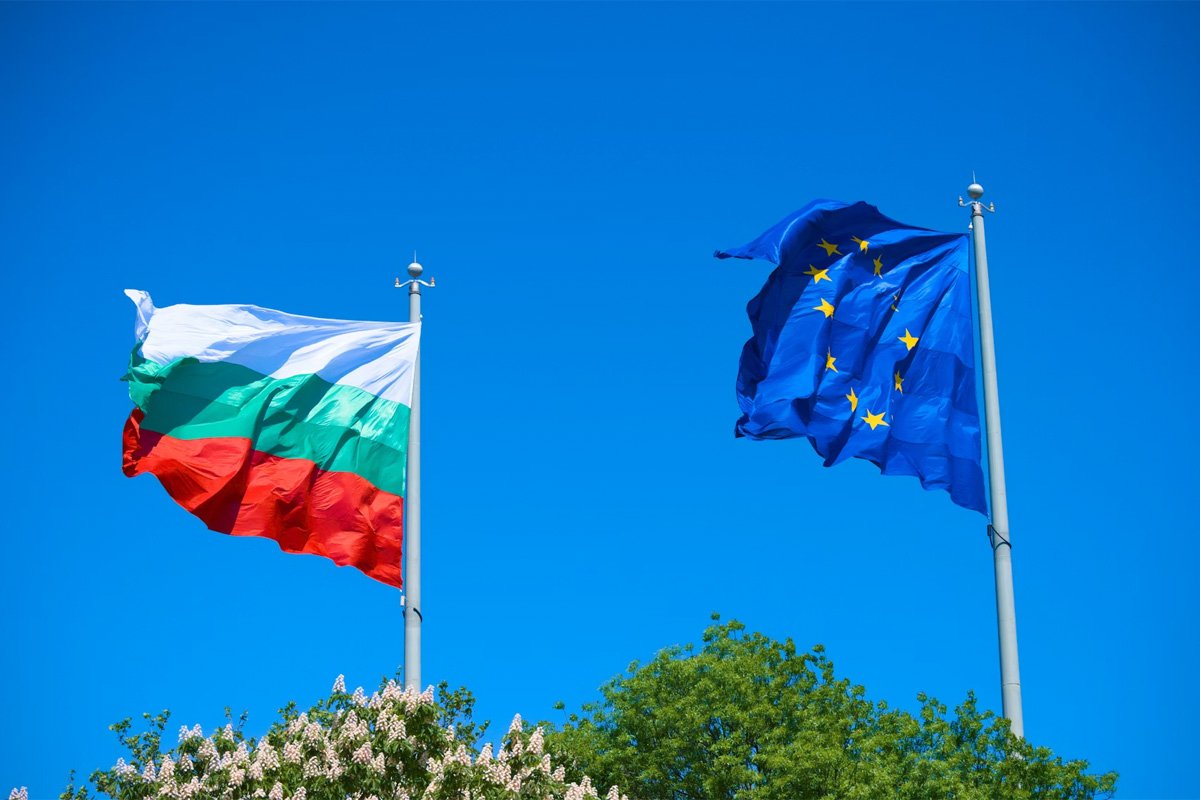
Bulgaria has changed currencies, and that makes travel there a little easier - but also slightly confusing if you have been before.
For years, tourists visiting Sofia, Plovdiv, Bansko or the Black Sea coast had to think in Bulgarian lev. Prices were in BGN, ATMs gave you lev, and leftover cash after a holiday usually ended up forgotten in a drawer next to old SIM cards and museum tickets.
That changed on 1 January 2026. Bulgaria is now part of the eurozone, which means the euro has replaced the Bulgarian lev as the country’s official currency.
For many visitors, especially those travelling through several European countries, this is good news. A trip that combines Greece and Bulgaria, or Austria, Croatia and Bulgaria, is now simpler from a money point of view. One less currency to exchange. One less conversion to do in your head. One less chance to stare at a restaurant bill and wonder whether lunch was cheap or you just made a mathematical mistake.
The fixed rate is not a tourist rate
The official conversion rate was set at:
1 EUR = 1.95583 BGN
That number matters mostly for old prices, old contracts, bank balances and people who still have Bulgarian lev cash. It is not a rate you need to negotiate at an exchange office, and it is not something tourists should use as a reason to buy lev before travelling.
If you are going to Bulgaria in 2026, you should think in euros.
That sounds obvious, but currency changes always create a transition period where old habits hang around. Some travellers will still search for “Bulgarian lev exchange rate”. Some may still arrive with lev from a previous trip. Others may see older blog posts, travel guides or YouTube videos mentioning BGN and wonder what is still valid.
The short version: Bulgaria uses the euro now. The lev belongs to the “check if you still have some at home” category.
What if you still have Bulgarian lev?
If you visited Bulgaria before 2026 and still have lev banknotes or coins, they are not suddenly worthless, but they are no longer normal travel money.
You should exchange them into euros rather than trying to spend them casually. In 2026, exchange options are still available in Bulgaria, especially through banks and official channels, but tourists should not leave this until the last possible moment. Rules, fees and availability can become less convenient as time passes.
So, if you have a serious amount of lev left from an older trip, bring it with you and deal with it properly. If you have the equivalent of a coffee and a bus ticket, it may become more of a souvenir than a financial emergency.
Will prices feel higher now?
This is where things get delicate.
Every time a country adopts the euro, people ask the same question: will everything become more expensive?
Not automatically. A currency change does not secretly tell every hotel owner, taxi driver and café to raise prices overnight. But the feeling of higher prices can be very real, especially during the first year.
Why? Because people compare badly when the numbers change.
A coffee that used to be 3.90 BGN might now be shown as about 2 EUR. A hotel room that used to look like a three-digit lev price may suddenly look cleaner in euros. Restaurants may round menus. Tourists may compare prices with Greece, Croatia or Italy instead of with Bulgaria’s old local price level.
The euro makes prices easier to read, but it also makes comparisons sharper. Bulgaria may still be cheaper than many Western European destinations, but travellers will notice price differences more directly now.
Bulgaria is easier to combine with other eurozone trips
This is probably the biggest practical benefit for tourists.
Before 2026, a traveller going from Greece to Bulgaria had to switch from euros to lev. Not difficult, but annoying. The same was true for people adding Bulgaria to a wider Balkan or Central European trip.
Now, if you are already carrying euros, Bulgaria fits more naturally into the route. You can land in Athens, continue to Sofia, go skiing in Bansko, or spend time on the Black Sea coast without adding another currency to the trip.
That does not make travel free, sadly. Europe has not unlocked that feature yet. But it does make budgeting easier.
Hotel prices, restaurant bills, train tickets, museum entries and day tours are now easier to compare with other eurozone countries. For travellers who like planning with spreadsheets - and yes, those people exist, and some of them are very happy - this is a real improvement.
Exchange rates still matter if you are not from the eurozone
For eurozone visitors, Bulgaria’s currency change removes one conversion.
For everyone else, the exchange rate question simply moves.
British travellers now care about GBP/EUR when visiting Bulgaria. Americans care about USD/EUR. Swiss visitors should watch CHF/EUR. Romanians, Poles, Czechs, Hungarians, Swedes and Norwegians still need to compare their own currencies against the euro.
So Bulgaria has not escaped exchange rates. It has just joined the main European currency conversation.
This is important because many tourists think “euro country” means “simple”. It is simpler, yes, but your card provider, bank or exchange office can still take a bite through fees or poor conversion rates.
If your home currency is not the euro, the usual travel rule still applies: know the approximate rate before you spend. Not down to the fourth decimal, unless you enjoy that sort of thing, but enough to avoid surprises.
Card payments should be simpler, but still watch the terminal
Bulgaria was already quite card-friendly in cities and tourist areas, and using the euro should make things even smoother for many visitors.
Still, the payment terminal can remain a small trap.
If your card is not in euros and the terminal asks whether you want to pay in euros or in your home currency, paying in euros is usually the better choice. Let your bank or card provider handle the conversion, especially if you use a card with good foreign exchange terms.
The alternative is dynamic currency conversion, which sounds helpful because it shows the amount in your own currency. In practice, it often means a weaker exchange rate.
The machine is not being friendly. It is selling convenience.
A note for returning visitors
If you have been to Bulgaria before, your price memory may be a little useless now.
You may remember that a meal was “around 20 lev”, a taxi ride was “maybe 15 lev”, or a hotel was “120 lev per night”. In 2026, those mental shortcuts need updating.
This does not mean Bulgaria has become a different country. The food is still excellent, Sofia still has that mix of grand boulevards and slightly chaotic corners, Plovdiv still deserves more attention than it gets, and the Black Sea coast still has both beautiful places and tourist traps doing tourist trap things.
But the money language has changed.
For travellers, that means checking current prices instead of relying on old memories or outdated guides.
So, should tourists do anything special?
Not much, and that is the point.
Do not buy Bulgarian lev for a 2026 trip. Bring euros if you like travelling with some cash. Use cards where convenient. Keep an eye on your own currency against the euro. If you still have old lev, exchange it through proper channels rather than treating it as holiday spending money.
The biggest adjustment is psychological. Bulgaria used to feel like a “local currency” destination. Now it sits inside the eurozone, and that changes how tourists compare it with the rest of Europe.
For some visitors, Bulgaria may feel more accessible. For others, especially those who loved doing the old lev conversion and feeling clever about prices, the magic trick is gone.
But in practical terms, this is a win for travellers. Fewer conversions, clearer prices, easier multi-country trips.
And if you still find an old 10 lev note in your suitcase, congratulations: you own a small piece of pre-euro Bulgaria. Just do not try to buy dinner with it.