
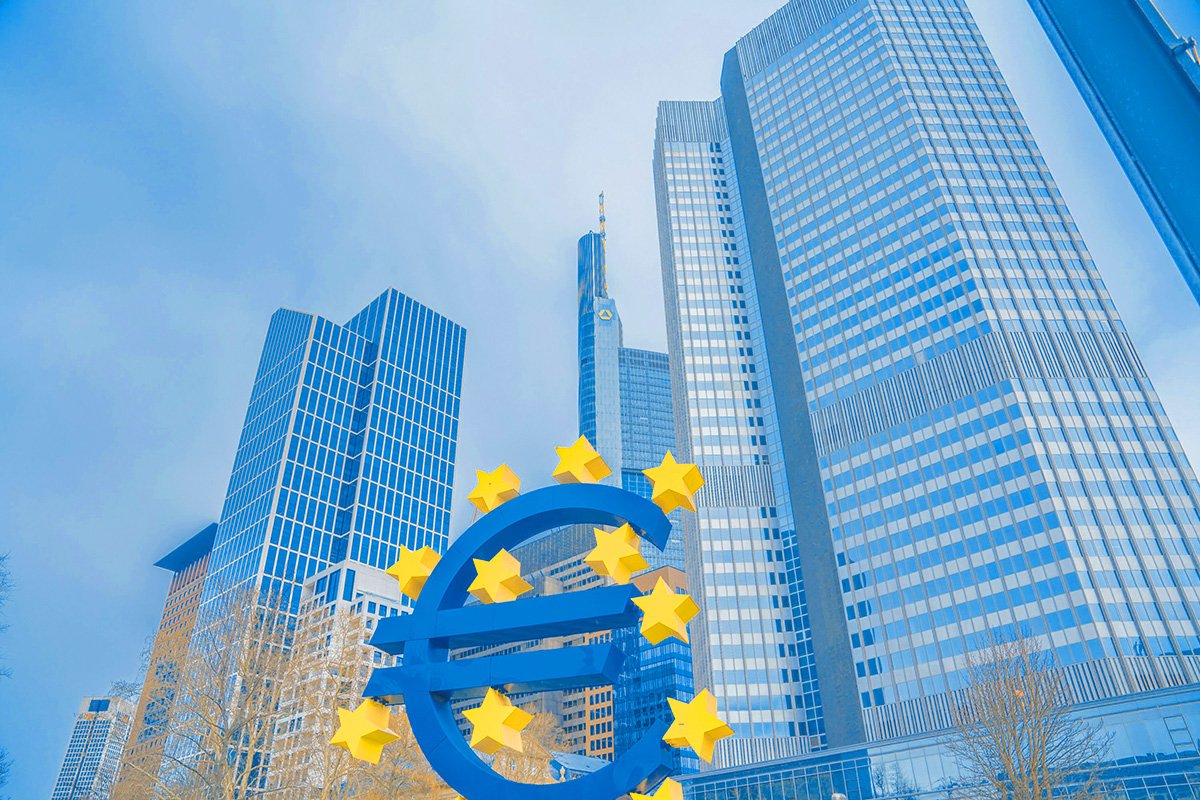
The euro, abbreviated as EUR, is the official currency of the euro area and one of the most important currencies in the world. It is used by hundreds of millions of people every day for shopping, salaries, savings, travel, and international business. Because of the size of the European economy and the global role of the euro in trade and finance, EUR is also one of the most commonly converted currencies worldwide.
For travelers, online shoppers, businesses, and anyone sending or receiving money across borders, understanding the euro matters. Many people assume that all European Union countries use the same currency, but that is not the case. Some EU members use the euro, while others continue to use their own national currencies.
Exchange rates involving the euro are influenced by many factors, including inflation, interest rates, market demand, and economic expectations. A key institution in this system is the European Central Bank (ECB), which helps shape monetary policy for the euro area and publishes reference exchange rates that are widely followed in financial markets.
List of countries that use the euro
The euro is the official currency of the countries that make up the eurozone, also called the euro area. These are EU member states that have adopted the euro as their national currency.
The current eurozone countries are:
- Austria
- Belgium
- Croatia
- Cyprus
- Estonia
- Finland
- France
- Germany
- Greece
- Ireland
- Italy
- Latvia
- Lithuania
- Luxembourg
- Malta
- Netherlands
- Portugal
- Slovakia
- Slovenia
- Spain
These countries share the same currency, which makes travel, trade, and price comparison easier within the euro area. If you move between these countries, you do not need to exchange money from one national currency to another.
In addition, the euro is also used in some non-EU territories and microstates through formal agreements or practical arrangements. However, when people refer to the eurozone, they usually mean the EU countries listed above.
EU countries that do not use the euro
Not every country in the European Union uses the euro. Several EU member states still keep their own currencies, either because they have not yet adopted the euro or because they have chosen to remain outside the euro area for now.
Here are the EU countries that do not use the euro and their currencies:
- Bulgaria – Bulgarian lev (BGN)
- Czech Republic – Czech koruna (CZK)
- Denmark – Danish krone (DKK)
- Hungary – Hungarian forint (HUF)
- Poland – Polish zloty (PLN)
- Romania – Romanian leu (RON)
- Sweden – Swedish krona (SEK)
This is important for anyone traveling in Europe. For example, if you visit France and then continue to Poland or the Czech Republic, you will need to deal with different currencies. Even within the EU single market, payment and cash needs can vary from country to country.
Some of these currencies are closely watched by people converting to and from EUR. Pairs such as EUR to PLN, EUR to HUF, EUR to RON, EUR to CZK, and EUR to SEK are commonly searched by travelers, businesses, and people making international transfers.
What travelers and users should know
One of the most common mistakes travelers make is assuming that all EU destinations accept euros. In reality, not all EU countries use the euro. In some places, tourist businesses may accept euro banknotes, but the exchange rate offered can be poor, and change may be given in the local currency.
It is also important to understand that the exchange rate you see online is not always the exact rate you will receive. Banks, card issuers, money transfer providers, and exchange offices often add a margin on top of the market or reference rate. They may also charge fixed service fees, ATM fees, or foreign transaction fees.
For example, there can be a noticeable difference between:
- The official or reference EUR exchange rate
- The rate offered by your bank
- The rate used by your credit or debit card provider
- The rate offered by a local exchange office
This difference matters, especially when converting larger amounts. A small percentage markup may not seem significant at first, but it can add up quickly.
Travelers should also pay attention when paying by card abroad. Sometimes merchants offer to charge you in your home currency instead of the local one. This is often called dynamic currency conversion. While it may seem convenient, the rate is frequently less favorable than letting your bank or card network process the payment in the local currency.
How euro exchange rates work
Euro exchange rates show how much one euro is worth compared with another currency. For example, an EUR to USD rate tells you how many US dollars equal one euro, while an EUR to GBP rate shows the value of one euro in British pounds.
The European Central Bank plays an important role in the euro system. The ECB is responsible for monetary policy in the euro area, with the main goal of maintaining price stability. Its decisions on interest rates and broader policy can influence the value of the euro in global markets.
The ECB also publishes reference rates for selected currencies. These rates are widely used as a benchmark and help provide a common point of comparison. However, they are not retail buying or selling rates. In other words, they are not a promise that you can exchange money at exactly that level.
Why does the rate you get differ from the official one? There are several reasons:
- Provider markup: banks and exchange services usually add their own margin.
- Fees and commissions: some providers charge separately for the transaction.
- Timing: exchange rates move throughout the day, while reference rates are published at a specific time.
- Payment method: cash exchange, card payments, and bank transfers may all use different pricing.
- Location: rates at airports, hotels, and tourist centers are often less competitive.
In practice, the official rate is best understood as a useful benchmark. It helps you compare offers and see whether a bank or exchange office is giving you a fair deal.
Practical tips before converting euros
If you need to exchange euros or convert another currency into EUR, a few simple habits can help you save money and avoid surprises.
- Check live exchange rates first: look at current market or reference rates before making a transaction.
- Compare providers: banks, online services, and exchange offices may offer very different rates.
- Avoid airport exchanges when possible: they often have higher margins and extra fees.
- Review the full cost: do not focus only on the headline rate; check commissions and card charges too.
- Use online currency tools: a converter can help you estimate the real value of your money quickly.
- Pay in local currency when using cards: this can help you avoid poor conversion through dynamic currency conversion.
- Plan ahead for cash needs: in countries outside the eurozone, having some local currency can be useful for transport, tips, or small purchases.
These steps are useful not only for tourists but also for freelancers, online sellers, students abroad, and anyone making regular international payments.
Why the euro matters globally
The euro is more than just a regional currency. It is one of the leading reserve and trading currencies in the world, alongside the US dollar and other major currencies. That means movements in EUR exchange rates can affect import prices, travel budgets, investment decisions, and business costs far beyond Europe.
Because of this global importance, many people monitor euro exchange rates even if they do not live in a eurozone country. A stronger or weaker euro can influence everything from holiday spending to the cost of goods bought from European suppliers.
For everyday users, the key point is simple: the euro is widely used, but not universally across Europe, and the exchange rate you receive depends on where and how you convert your money.
Why euro exchange rates matter when traveling or converting money
The euro is the official currency of 20 EU countries and remains one of the world’s most important currencies for travel, trade, and international payments. At the same time, several EU countries still use their own currencies, so it is always worth checking the local currency before a trip or transaction.
Understanding how EUR exchange rates work can help you make better decisions. The ECB reference rate is a useful benchmark, but the actual rate offered by banks, card issuers, and exchange offices may be different once margins and fees are included.
Before converting money, it is wise to compare rates, avoid expensive exchange points, and review the total cost. If you want a quick and practical way to stay informed, checking live exchange rates and using a currency converter can help you estimate costs more accurately and plan with greater confidence.